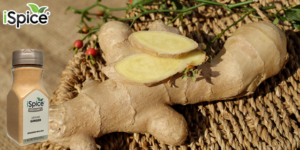
 Ginger is a common spice in many parts of the world, and it is a major ingredient in traditional Chinese and Ayurvedic medicine. It is known to have a wide range of medicinal properties, including antioxidant, antimicrobial, and anti-inflammatory effects.
It has been used to treat a variety of human ailments and can be eaten raw or cooked as an addition to foods. It is available in capsules, tinctures, extracts, and tea. It can be purchased online and at health food stores.
The main benefit of ginger is its ability to improve digestion. It increases the movement of food through your digestive tract and promotes healthy enzymes that break down foods quickly.
This makes it easier to digest food and prevents constipation, diarrhea, or gas. The chemical compounds in ginger also boost immunity with their antimicrobial and antifungal effects.
It can also help relieve nausea, including morning sickness and motion sickness. In one study, people who took powdered ginger had less vomiting and cold sweats when sailing in a ship than those who received a placebo.
Several other studies have found that ginger can ease stomach pain, particularly bloating and discomfort associated with heartburn. This effect may be due to its odor-producing substances called gingerols and shogaols.
For example, a 2012 study in rats found that gingerols reduced the growth of Helicobacter pylori, the bacteria that cause ulcers. It also lowered the amount of proinflammatory cytokines that can increase risk for diabetes and cardiovascular disease.
Ginger can also help lower blood pressure. In a 2017 study, researchers found that people who consumed daily ginger supplements for two years had lower blood pressure than those who did not.
It can also be helpful for treating indigestion and stomach cramping. In a 2011 study, people with functional dyspepsia (a form of indigestion that has no known causes) were given either ginger capsules or a placebo. They were then fed soup an hour later. The researchers found that it took 12.3 minutes for the ginger group to empty their stomachs, compared to 16.1 minutes in the placebo group.
The research also shows that it can reduce inflammation, helping to heal joint injuries and other types of aches and pains. It can also be used to prevent inflammatory diseases, such as osteoarthritis and rheumatoid arthritis.
Preliminary research suggests that it might lower cholesterol and help keep blood vessels from clotting, which can help protect against heart disease. It has also been shown to improve blood sugar control in patients with type 2 diabetes.
In some studies, it has also been shown to have anticancer activity. This includes preventing the development of cancer cells in the colon and stomach.
Ginger can also be used to treat pain, including menstrual pain and dysmenorrhea. It can help alleviate these symptoms in women by increasing the absorption of calcium, magnesium, and iron.
It has also been found to increase the amount of vitamin C in your system, which can boost your immune response and reduce your risk of developing certain cancers, especially colon and prostate cancer. It is also useful for reducing blood pressure and promoting weight loss.